In short
- Dry socket appears 2–3 days after the extraction, not the same day.
- It happens when the clot protecting the socket is lost and bone is exposed.
- The pain is intense, radiates to the ear and doesn't ease with painkillers.
- In the office it's cleaned and a dressing is placed that relieves it almost at once.
- It's prevented by avoiding straws, smoking and forceful spitting in the first days.
01What is dry socket?
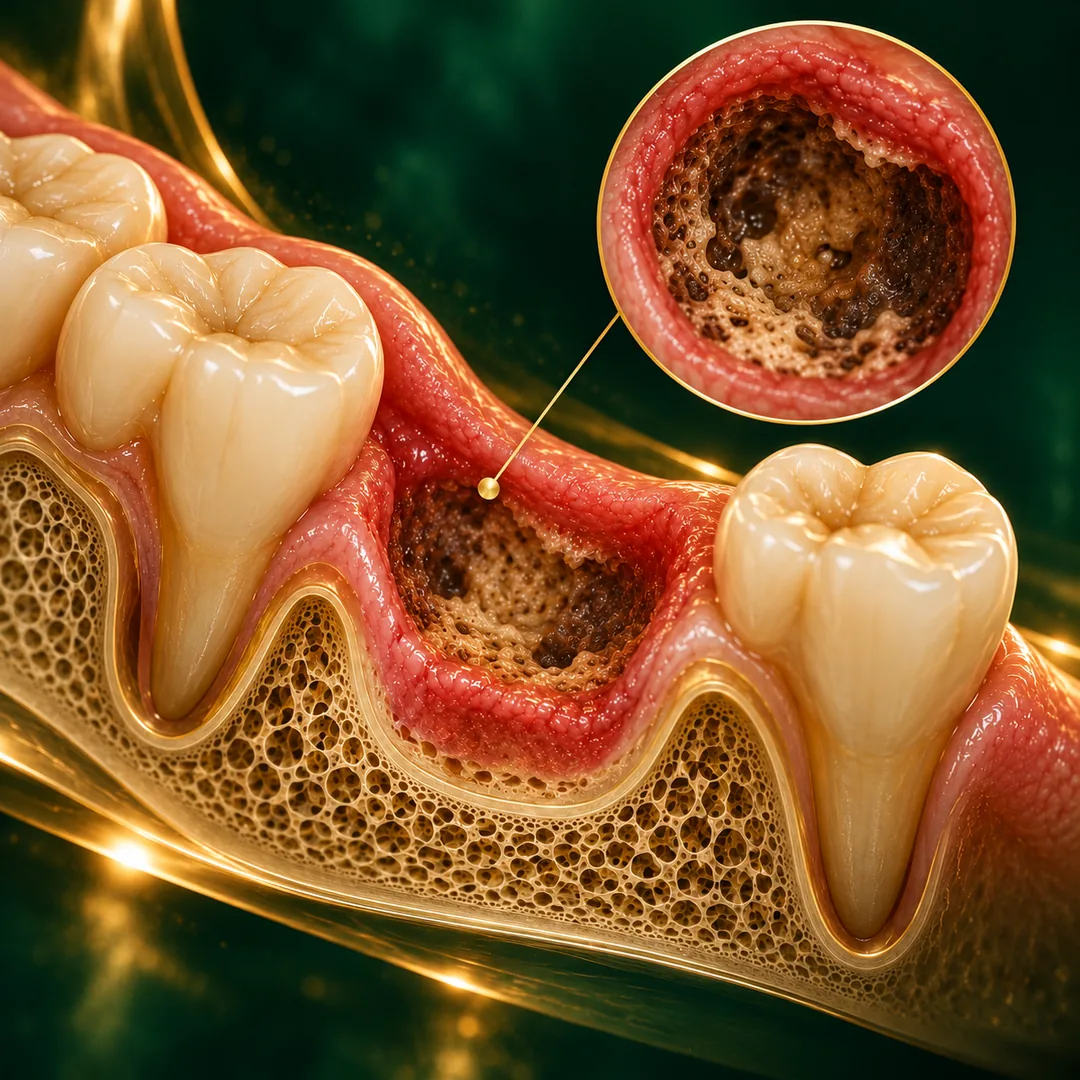
After an extraction, a blood clot forms in the socket, protecting the bone and nerve while it heals. Dry socket happens when that clot dislodges or doesn't form properly, leaving the bone exposed.
It isn't exactly an infection: it's bone exposed to air, food and saliva. That's why it hurts so much, even without pus.
02How do I know it's dry socket and not normal pain?
The key is timing. After an extraction, normal pain improves day by day. With dry socket it's the opposite: at 2 or 3 days the pain worsens, becomes intense and throbbing, radiates to the ear or temple and doesn't ease with the usual painkillers.
There may also be a bad taste or bad breath, and the socket looks “empty” or greyish instead of the red clot. If this happens, it's worth an assessment.
If the pain gets worse on day three instead of better, don't endure it: dry socket is relieved very quickly in the office.
03Why did it happen to me?
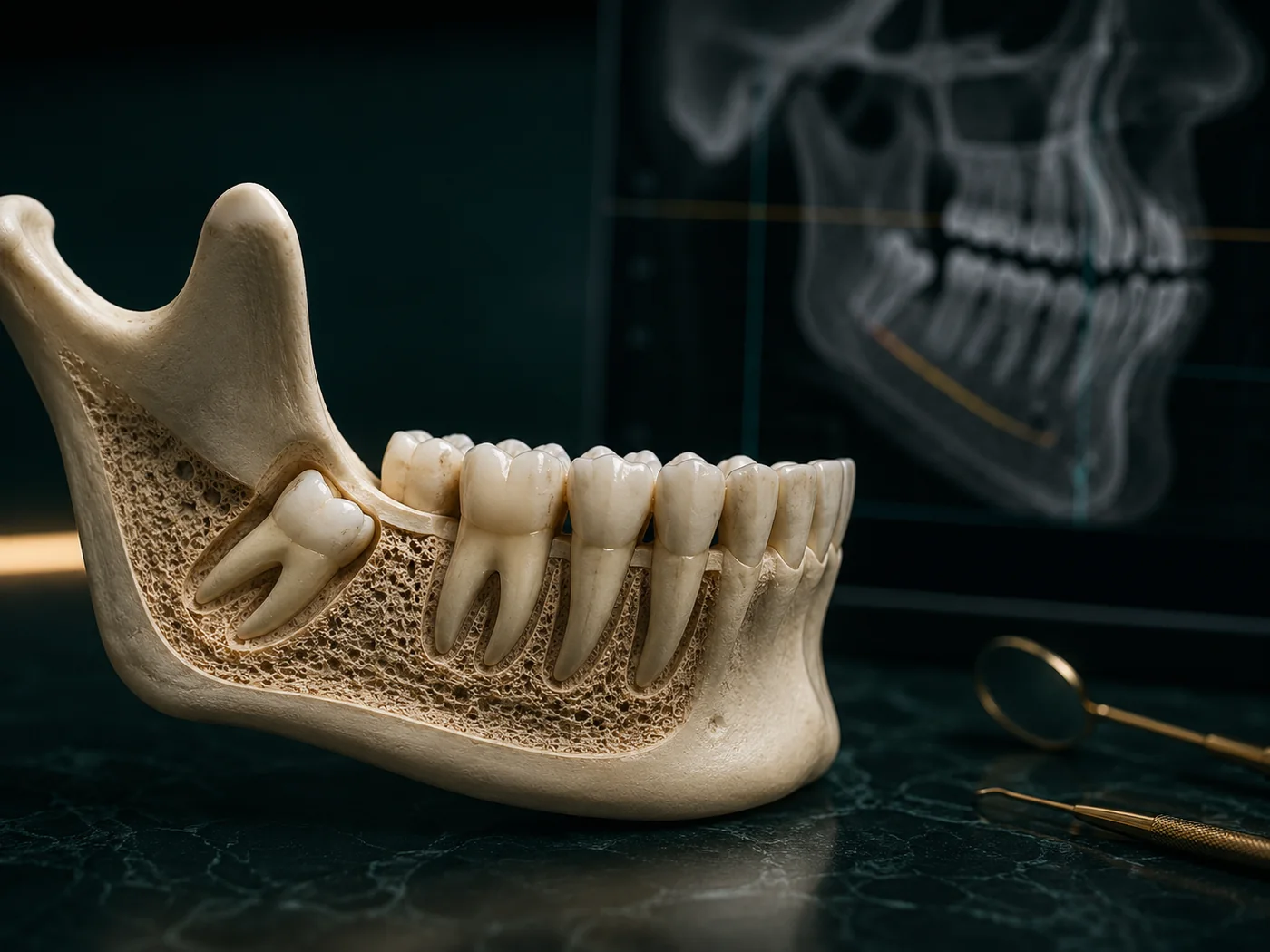
Some factors raise the risk: smoking, using straws or forceful spitting (the suction dislodges the clot), difficult extractions like an impacted wisdom tooth, and not following the first-day instructions.
It can't always be fully prevented, but following the care instructions greatly reduces the chance.
04How is the pain relieved?
Treatment is simple and gives fast relief: in the office the socket is gently cleaned and a medicated dressing is placed that calms the pain almost immediately. Sometimes the dressing is changed once or twice over the following days.
It isn't solved with antibiotics alone or by enduring the pain. If you think you have dry socket, an assessment is what truly resolves it.
05How to prevent it
In the first days after an extraction: don't smoke, don't use straws, don't spit forcefully and don't rinse aggressively. Eat soft food, rest and follow instructions closely.
This care protects the clot, which is exactly what prevents dry socket.
·Frequently asked questions
How long does dry socket pain last?
Without treatment it can last several days and up to one or two weeks. With in-office treatment, relief is almost immediate and the discomfort drops sharply from the first dressing.
Is dry socket an infection?
Not exactly. It's the socket's bone left exposed when the clot is lost. It can come with a bad smell, but the main problem is the exposure, not pus.
Does dry socket heal on its own?
The socket eventually closes over time, but the pain in the meantime is intense and unnecessary. The sensible thing is to treat it: the in-office care relieves it fast and speeds recovery.
What can I take for the pain while I'm assessed?
You can use the painkiller already prescribed, but dry socket usually doesn't ease with pills alone. Avoid straws and smoking, and get the dressing placed soon.
Who do I see for severe pain after an extraction in Cancún?
An oral and maxillofacial surgeon, who diagnoses dry socket and treats it the same day. In Cancún you can be assessed by Dra. Jessica López.
Book your assessment in Cancún
Every case is different and deserves an assessment. Message me on WhatsApp: I reply personally and guide you with no obligation.
Book on WhatsApp