In short
- The labial frenulum connects the lip to the gum above the front teeth.
- If thick or low, it can cause or maintain a diastema (the gap between them).
- Not every diastema is from the frenulum: sometimes it's tooth size or habits.
- A labial frenectomy is a short procedure under local anesthesia.
- It's usually done together with orthodontics to close the gap well.
01What is the labial frenulum?
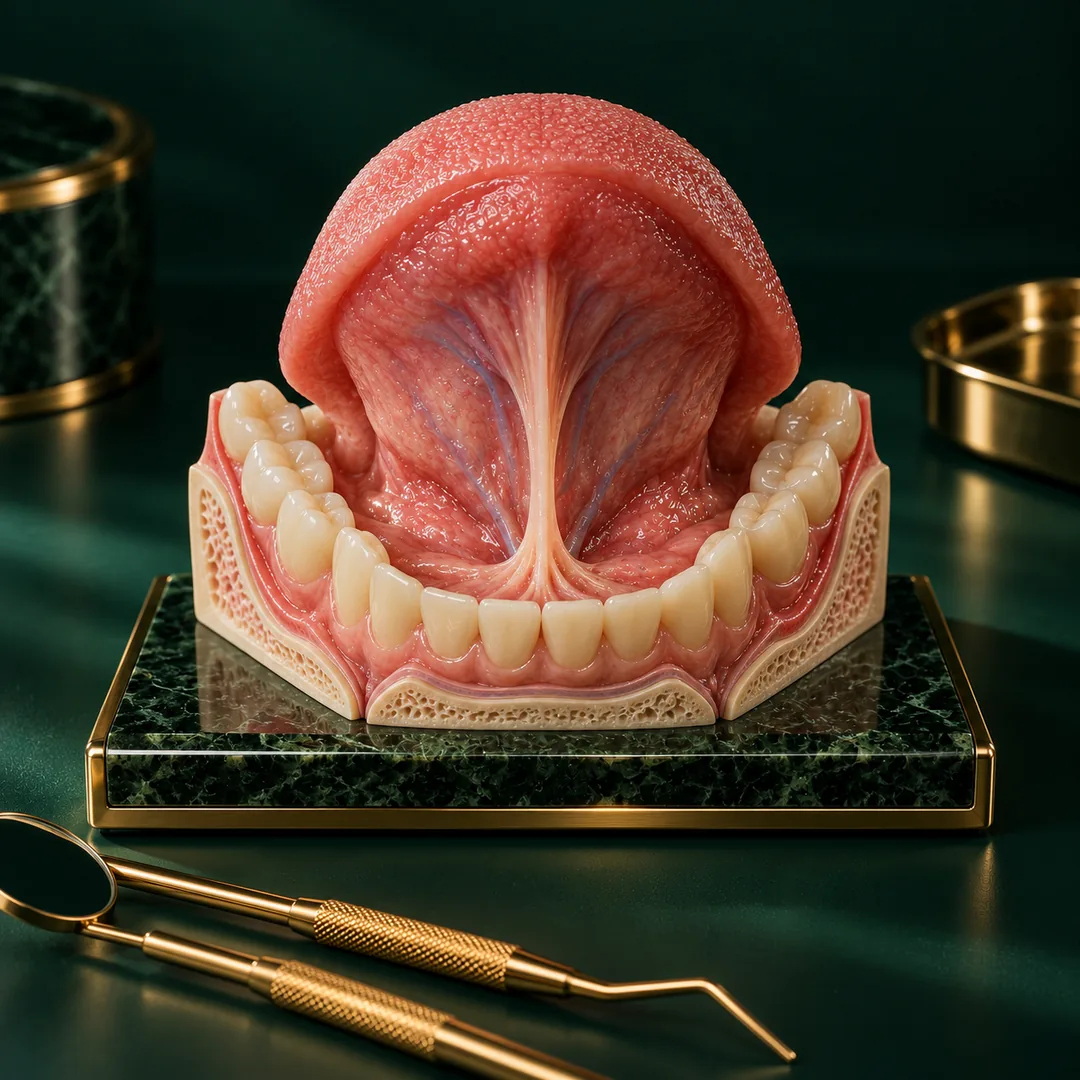
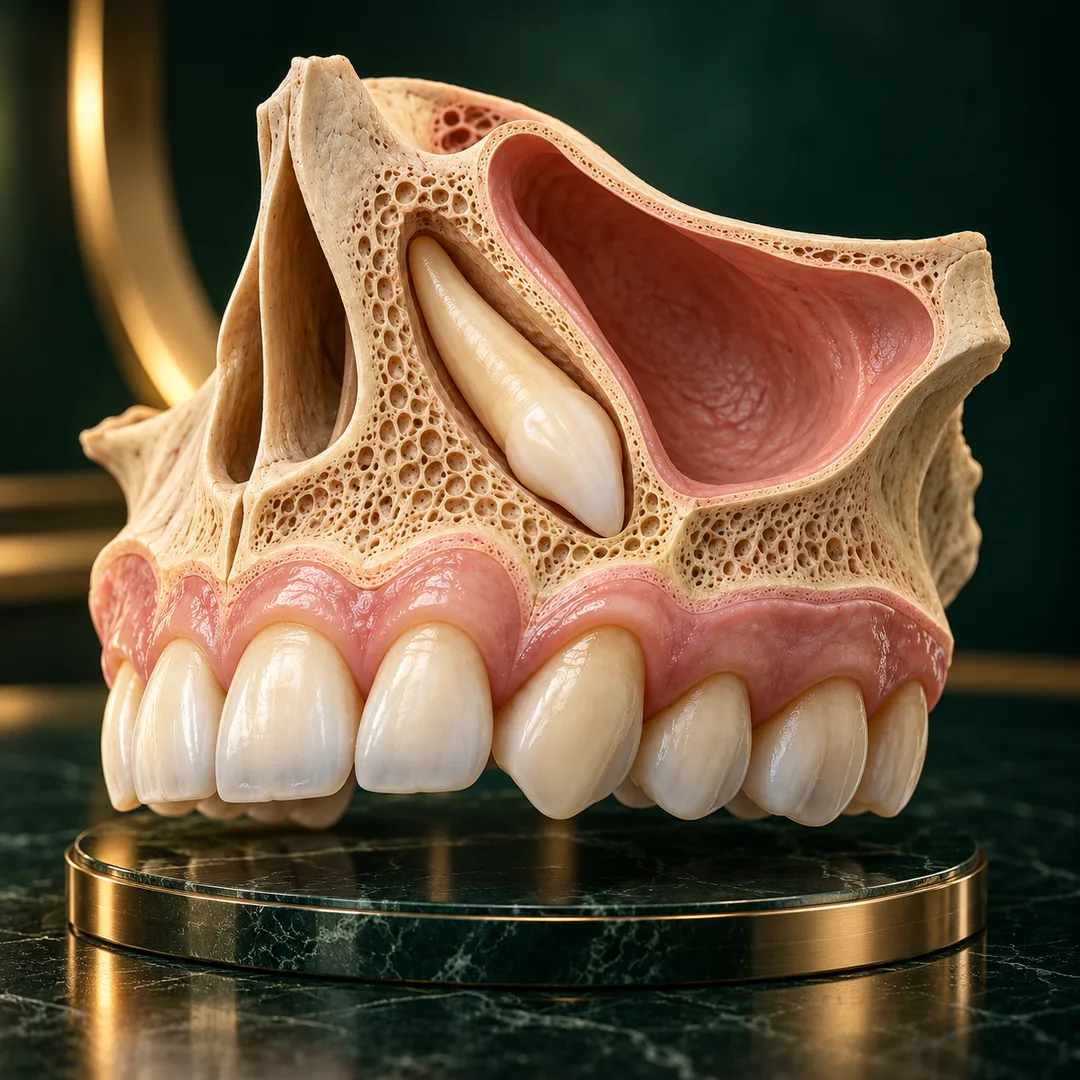
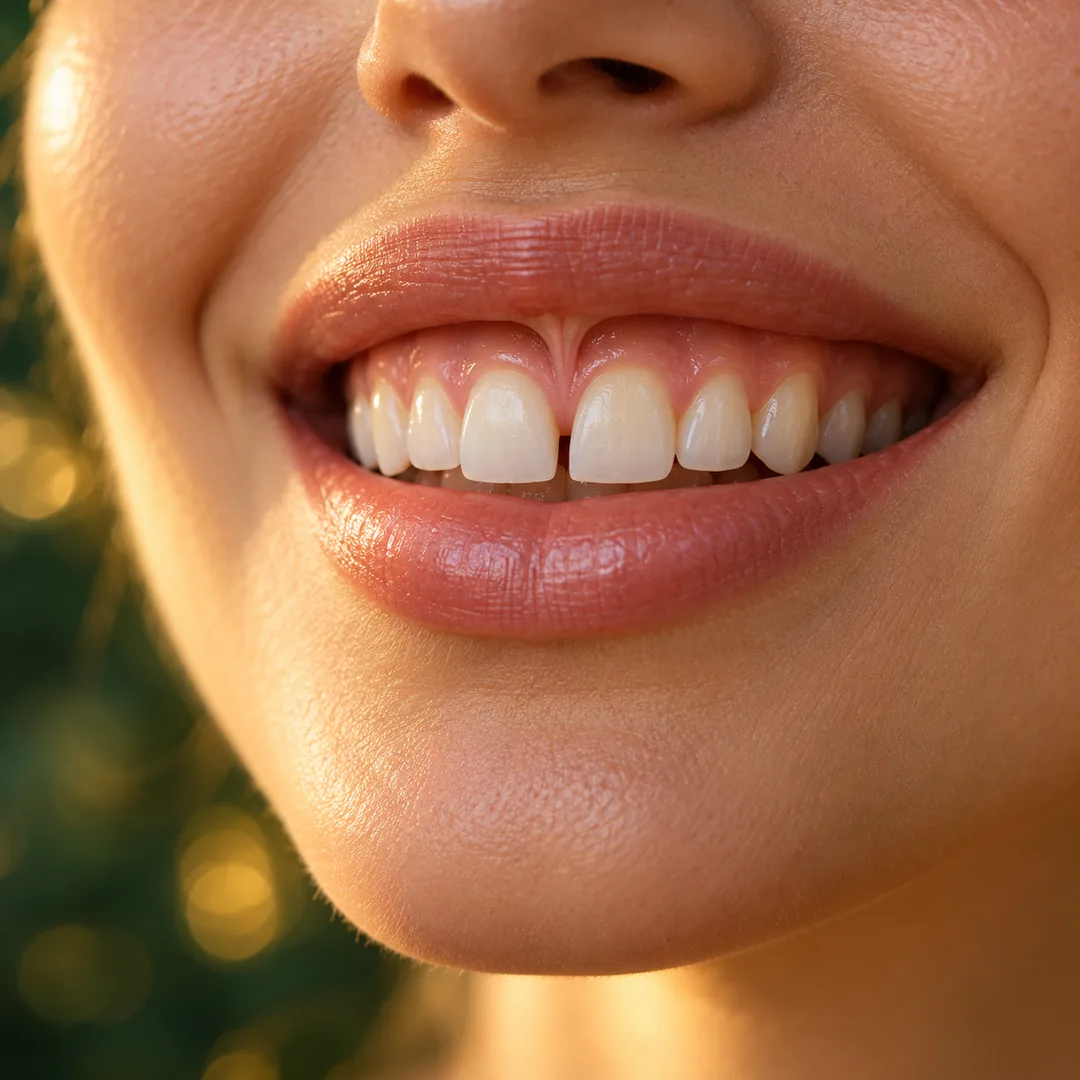
The upper labial frenulum is the small band connecting the inner lip to the gum, just above the two central incisors. Everyone has one; the issue is when it's very thick or attached too low, between the teeth.
In that case it can “push” and keep the front teeth apart, creating or maintaining a diastema.
02Does the frenulum cause the diastema?
Sometimes yes, sometimes no. A thick frenulum can be the cause or part of the problem, but the gap can also come from tooth size, the number of teeth or certain habits.
That's why the assessment is key: it decides whether to treat the frenulum, use orthodontics, or both, for a stable result.
Closing the gap is only half of it: if the frenulum was holding it open, releasing it is what makes the result last.
03When is it treated?
A labial frenectomy is indicated when the frenulum is maintaining the diastema, when it pulls on the gum and promotes recession, or for functional reasons. It's often done together with orthodontics: first the gap is closed, then (or at the right moment) the frenulum is released so it doesn't reopen.
If the frenulum causes no problem, there's no need to treat it.
04What is a labial frenectomy like?
It's a short procedure under local anesthesia, releasing or repositioning the band of tissue. As minor oral surgery, recovery is quick with mild discomfort.
Planning it with your orthodontist is what ensures the gap closes and stays closed.
·Frequently asked questions
Is the gap between my front teeth from the frenulum?
It can be, but not always. A diastema also depends on tooth size and number and on certain habits. The assessment defines the cause and the best treatment.
Does a labial frenectomy close the diastema on its own?
Usually not. It's typically done with orthodontics: the orthodontics closes the gap and releasing the frenulum helps keep it from reopening.
At what age is a labial frenectomy best?
It depends on the case and the orthodontic plan. Sometimes it's best to close the gap first. The ideal timing is decided with your orthodontist.
Does a labial frenectomy hurt?
It's done under local anesthesia, so there's no pain during the procedure. Recovery is quick and afterwards discomfort is mild.
Who performs a labial frenectomy in Cancún?
An oral and maxillofacial surgeon, planning it with your orthodontist. In Cancún you can be assessed by Dra. Jessica López.
Book your assessment in Cancún
Every case is different and deserves an assessment. Message me on WhatsApp: I reply personally and guide you with no obligation.
Book on WhatsApp